
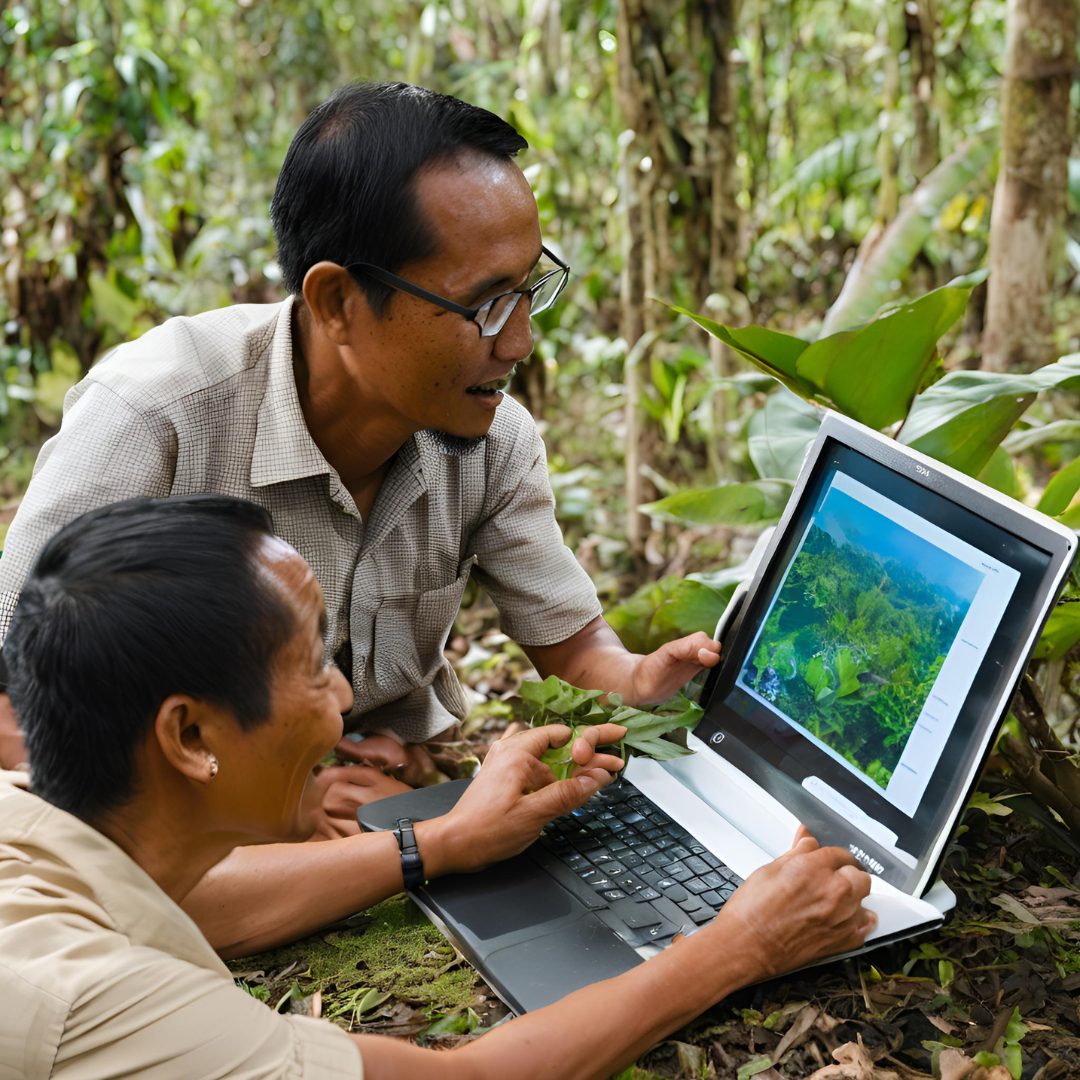
Indonesia, with its rich biodiversity and diverse ecosystems, faces major conservation challenges. In this context, technology plays an important role in increasing the effectiveness of conservation programs, enabling more sophisticated and efficient approaches to preserving the country's natural wealth. Here are some of the ways technology is contributing to conservation programs in Indonesia:
More accurate monitoring and data collection
Modern technologies, such as satellites and drones, allow for more accurate and real-time monitoring of environmental conditions and Wildlife. Using satellite imagery and data obtained from drones, researchers and conservationists can effectively monitor changes in deforestation, habitat shifts, and illegal activities such as illegal logging. This Data provides deep insights into the condition of ecosystems and helps in the planning and assessment of conservation strategies.
Geographic Information System (GIS)
Geographic Information Systems (GIS) are very useful tools in conservation planning and management. GIS enables spatial analysis that facilitates mapping of conservation areas, identification of environmental damage hotspots, and sustainable land-use planning. In Indonesia, GIS are used to track deforestation, identify animal migration corridors, and plan habitat restoration programs.
Sensor technology and camera traps
Trap sensor and camera technology has been revolutionary in wildlife research. Trap cameras installed in natural habitats can automatically take pictures or video of passing wildlife, allowing scientists to monitor species populations without disturbing their environment. The technology also helps in detecting predatory activities and illegal visitors in conservation areas.
Mobile apps for Public Engagement
Mobile applications designed for conservation can increase community involvement in environmental conservation efforts. The app can educate users about local species, provide information on environmentally friendly practices, and allow reporting of illegal activities or environmental threats. By engaging communities, this technology creates a broader database and promotes active participation in conservation.
Big Data Analytics and Artificial Intelligence (AI)
Big Data and artificial intelligence (AI) offer great potential in conservation by analyzing large volumes of data to find patterns and trends not seen with traditional methods. For example, AI can be used to analyze satellite data and aerial imagery to detect environmental changes, predict the effects of climate change, and identify threats to specific species.
Habitat Restoration Technology
Technology also plays an important role in habitat restoration. For example, genetic engineering techniques can be used to develop plants that are more resistant to extreme environmental conditions, and breeding technologies can help in the recovery of endangered species. In addition, advanced technologies in soil and water management support ecosystem restoration efforts more efficiently.
Pollution and Air Quality Monitoring
Sensor technology is also used to monitor pollution levels and air quality. With accurate data on air pollution and pollution, governments and conservation agencies can identify pollution sources, take corrective action, and develop better policies to protect the environment.
Conclusion
Technology has opened the door to innovation in environmental conservation in Indonesia, providing more effective tools and methods to protect and restore the country's natural wealth. From satellite monitoring to mobile applications, technology enables a more scalable, adaptive, and participatory approach to conservation efforts. By continuously integrating the latest technologies, Indonesia can strengthen its conservation programs and ensure a more sustainable future for its environment and biodiversity.


 EN
EN  ID
ID